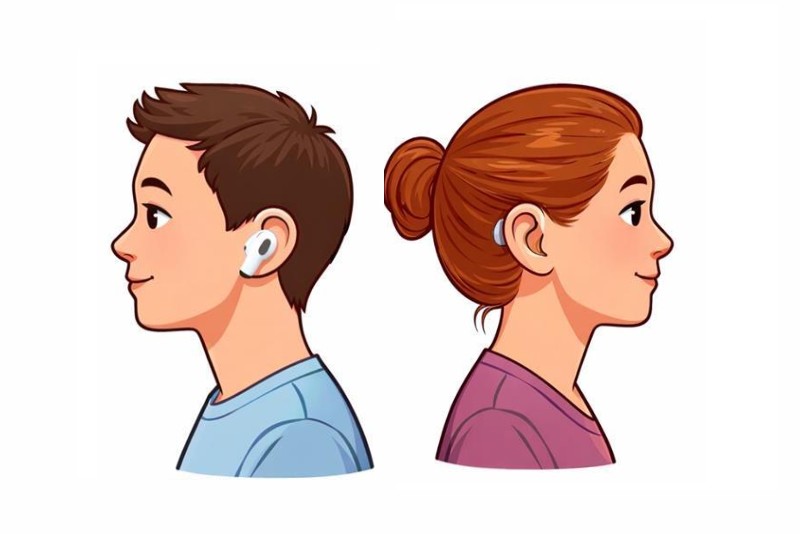
In recent years, Apple AirPods have surged in popularity, becoming a staple accessory for many smartphone users. With their sleek design, ease of use, and strong sound quality, AirPods have transformed how people listen to music, take calls, and interact with digital content. Their growing use has also sparked discussions about whether they could play a role in hearing assistance. While AirPods may help increase awareness of hearing difficulties, it is important to recognize that they are not medical-grade devices and cannot replace hearing aids.

One potential advantage of newer AirPods listening features is that they may help individuals recognize early or mild hearing challenges. By making environmental sounds seem clearer, some users may begin to notice differences in their hearing and seek professional evaluation. In this sense, AirPods can serve as an entry point to awareness, but awareness alone is not treatment, it does not address hearing loss

Why Hearing Aids Are Better for People with Hearing Loss

Hearing aids are purpose-built medical devices designed specifically to treat hearing loss. Unlike consumer earbuds, hearing aids address the complexity of hearing impairment and adapt to the individual needs of the user. Their advantages become especially clear when considering the following key areas:

1. Personalized Hearing Care

Hearing aids are programmed based on a comprehensive hearing assessment conducted by a licensed professional. This allows amplification to be tailored to the specific frequencies a person struggles to hear, rather than simply increasing overall volume. Apple AirPods do not provide this level of individualized adjustment.

2. Advanced Sound Processing

Modern hearing aids use sophisticated sound-processing systems that continuously analyze the listening environment. They enhance speech, reduce background noise, and automatically adapt as surroundings change, whether in quiet settings or noisy social environments. AirPods are designed for general audio playback and lack the medical-level processing required for effective hearing loss management.

3. Improved Speech Understanding and Comfort

Hearing aids are designed to improve speech clarity while reducing listening effort and fatigue. Their open, hearing-focused designs help maintain natural sound perception. In contrast, Apple AirPods sit in or seal the ear canal, which can create an occlusion or “tunnel” sensation and may distort natural sound for individuals with hearing loss.

4. Support for Complex Hearing Needs

Many people with hearing loss experience additional challenges such as tinnitus or difficulty following conversations in noise. Hearing aids can include specialized features to help manage these issues safely and effectively. Apple AirPods are not intended to support these medical hearing needs.

5. Ongoing Professional Support

Hearing aid users benefit from continued care, including fine-tuning, adjustments, and counseling from hearing professionals as their needs change over time. Apple AirPods do not come with clinical support or long-term hearing care.

Here’s a more detailed breakdown of why AirPods are not a suitable replacement for hearing aids, as discussed in sources like The Wall Street Journal:

Design and Purpose: A Key Difference
  • Apple AirPods

    AirPods are designed for entertainment, phone calls, and convenience for users with normal hearing. Features such as Transparency Mode and noise control enhance the listening experience but are not intended to treat hearing loss. Due to their earbud-style design, AirPods sit within and largely seal the ear canal, which can increase the sensation of occlusion. This often results in a “tunnel” or plugged feeling when using hearing-related listening settings. Their primary goal is audio enjoyment—not hearing rehabilitation.

  • Hearing AidsHearing Aids

    Hearing aids are medical devices created to compensate for hearing loss by restoring access to sound in a safe, controlled, and personalized way. Every aspect of their design from fit to sound processing is focused on improving hearing ability and quality of life, not simply delivering sound.

Conclusion

While AirPods can serve as an innovative introduction to hearing enhancement, they are not a substitute for medical hearing aids. For anyone experiencing hearing difficulties, professional evaluation and appropriate hearing technology are essential. As we continue to embrace new technologies, it is vital to maintain a clear distinction between consumer audio products and medical devices designed to address hearing loss comprehensively. Ultimately, fostering awareness and understanding of these differences will empower patients to make informed choices about their auditory health.